Johnson County Criminal Court Records
A Johnson County criminal court record is the filed case record maintained once charges move into court. It can include the charging document, arraignment entry, bond order, motions, notices, plea forms, trial minutes, verdict, sentence, probation terms, and post-judgment filings. The court file is the place to verify the legal outcome. A booking charge shown by the sheriff's roster is a useful lead, but the court file shows whether the charge was indicted, amended, reduced, dismissed, pled, tried, or sentenced.
Georgia's court structure matters in Johnson County. Superior Court is the general-jurisdiction trial court for felony criminal cases and sits in the Dublin Judicial Circuit. Magistrate Court may handle warrants, preliminary hearings, and early criminal matters. Probate Court may handle traffic and certain local matters where jurisdiction applies. The Johnson County Clerk of Superior Court manages Superior, Juvenile, and Magistrate records listed by GSCCCA, and final case records should be verified through that office or the provider route for Johnson Superior.
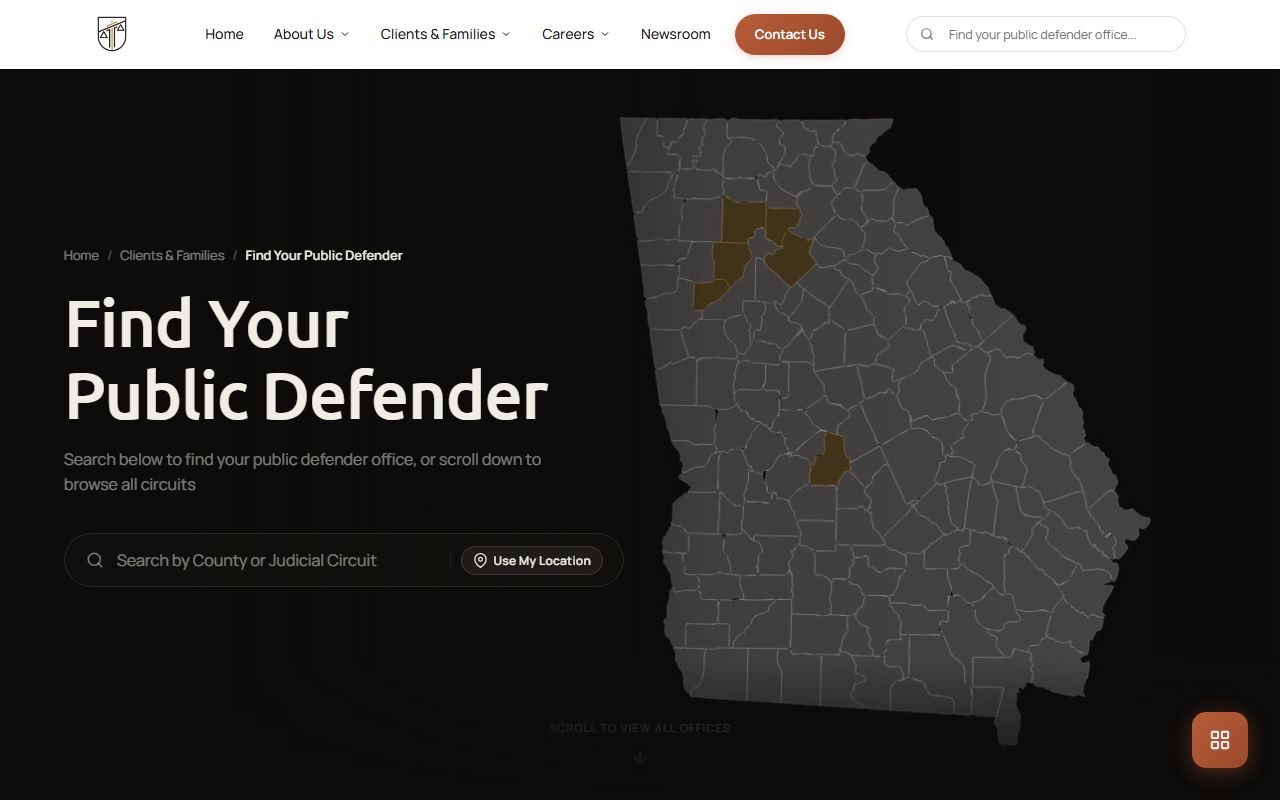
The Georgia Public Defender Council Johnson County page identifies the Dublin Circuit public defender office serving Johnson County criminal court records and defense appointments.
Search Johnson County Criminal Court Records
For online Superior Court access, use Georgia Courts eAccess to find Johnson Superior, then follow the route to PeachCourt. PeachCourt may require registration or login before criminal case documents or docket detail can be viewed. If the case is older, restricted, not indexed, or needs certification, contact the Clerk of Superior Court at the courthouse rather than relying only on the provider page.
- Confirm whether the case is a felony Superior Court matter, a Magistrate preliminary matter, a Probate traffic matter, or a city case.
- Use Georgia Courts eAccess and PeachCourt for Johnson Superior online access when available.
- Search or request by defendant name, case number, charge, citation, or approximate filing date if known.
- Read the docket for arraignment, motions, plea, disposition, sentence, and probation entries.
- Request certified criminal court records from the clerk or GSCCCA eCertification when a certified file is needed.
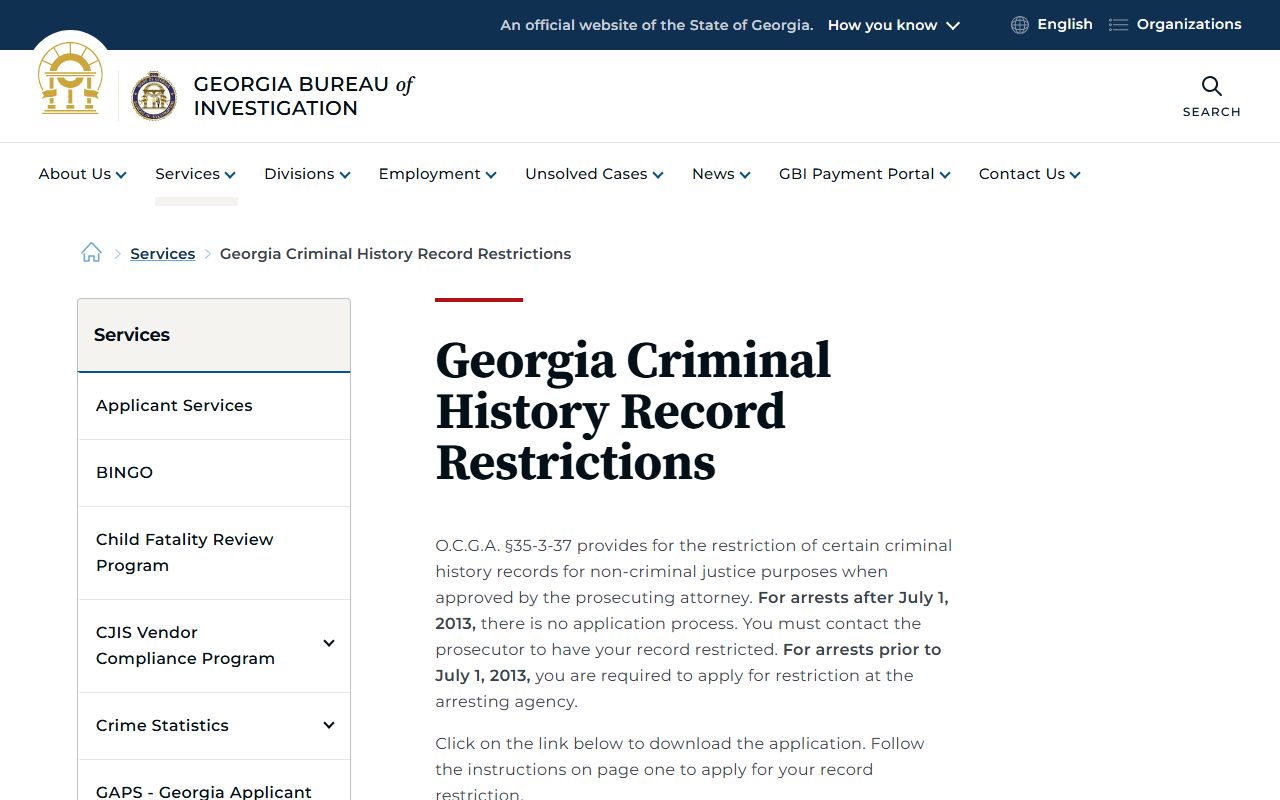
State-level lookups serve different purposes. The Georgia Bureau of Investigation record restriction page explains criminal-history restriction rules, while the GDC offender search is for sentenced state custody rather than a county criminal case file.
Johnson County Criminal Case Stages
A Johnson County criminal court record grows as the case moves from accusation to final outcome. A felony arrest may appear first in a booking record or Magistrate Court setting, then move to Superior Court after accusation or indictment. The docket can show whether the defendant appeared, whether a motion was filed, whether a plea was entered, and whether the judge imposed sentence.
Case flow: Charges Filed › Arraignment › Pretrial / Motions › Plea or Trial › Disposition › Sentencing
| Stage | What Happens |
|---|---|
| Charges filed | The prosecutor or grand jury files the accusation, information, or indictment that opens the court charge path. |
| Arraignment | The defendant is advised of charges and enters a plea, commonly guilty, not guilty, or nolo contendere. |
| Pretrial / Motions | Attorneys file requests, challenge evidence, seek discovery, and prepare for plea or trial. |
| Plea or Trial | The case resolves by plea, bench or jury trial, dismissal, or another court-approved outcome. |
| Sentencing | The judge imposes jail, prison, probation, fines, restitution, or other terms after conviction or plea. |
What Johnson County Criminal Records Show
Johnson County criminal court records should be read field by field. The docket may show a charge, but the disposition line explains whether that charge remains pending, was dismissed, ended in a plea, or resulted in sentence. The sheriff roster may show current charge descriptions, statutes, warrant numbers, total bond, arresting agency, and a court field, but the full criminal court record adds court filings and the final outcome.
| Field | What It Shows |
|---|---|
| Case number | The court's tracking number for the criminal case, distinct from many booking or warrant numbers. |
| Defendant | The person charged, along with party and attorney information when listed. |
| Charges | Count, statute, description, felony or misdemeanor marker, and amended or reduced language. |
| Plea | Guilty, not guilty, nolo contendere, or other plea entry. |
| Disposition | Dismissed, convicted, acquitted, pled, nolle prosequi, or other outcome. |
| Sentence | Jail, prison, probation, fines, restitution, bond changes, or other court terms. |
Johnson County Criminal Court Offices
Johnson County is prosecuted through the Dublin Judicial Circuit. The Prosecuting Attorneys' Council profile lists Harold McLendon as District Attorney, PO Box 2029, Dublin, Georgia 31040, phone 478-272-0440. The District Attorney reviews felony cases and many serious criminal charges after arrest. That means a charge listed at booking can be amended, dismissed, accused, indicted, or negotiated by the prosecutor before the final court record is complete.
The Dublin District Attorney website provides local prosecution context for the circuit serving Johnson County criminal court records.

Indigent defense routes through the Georgia Public Defender Council's Dublin Circuit office. The GPDC page lists the office at 1506 Bellvue Road, Dublin, GA 31021, phone 478-272-7210, and serving Johnson, Laurens, Treutlen, and Twiggs counties. Appointment of counsel is a court process, so a public defender listing does not replace the need to check the docket for attorney appearance and hearing entries.
Johnson County Charges vs Convictions
Being charged is not the same as being convicted. Johnson County criminal court records can include charges that were dismissed, amended, reduced, or ended in acquittal. A person may also have several counts from one arrest, and each count can have a different status. The closer look at court charges after arrest belongs with Johnson County arrest records and court charges, while criminal court records focus on the full case file and outcome.
| Point | Charge | Conviction |
|---|---|---|
| Stage | An allegation filed or booked after arrest. | A guilty plea, verdict, or other finding of guilt. |
| Proof level | May begin with probable cause or prosecutor filing. | Requires proof, plea, or adjudication sufficient for judgment. |
| Record meaning | May later change, drop, or merge with another count. | Supports sentence, probation, fines, or other final terms. |
| Best source | Booking record, warrant, indictment, accusation, or docket. | Disposition, sentence sheet, judgment, or final docket entry. |
Reading Criminal Dispositions
A disposition is the result of a criminal charge or case. Common terms include guilty, not guilty, dismissed, nolle prosequi, acquitted, convicted, and sentenced. Nolo contendere means no contest. Dismissed means a charge ended without conviction on that charge. A sentence can include custody, probation, fines, restitution, court costs, treatment terms, or no-contact conditions.
The Prosecuting Attorneys' Council profile is one source identifying the Dublin Judicial Circuit prosecutor serving Johnson County.

Johnson County Restricted Criminal Records
Georgia often uses the term record restriction rather than expungement. A restricted record is limited for non-criminal-justice purposes, but it may remain available to criminal-justice agencies. A sealed court record is closed to public access by law or court order. Juvenile records, adoption-related material, sealed cases, protected identifiers, and some victim or minor information may also be withheld or redacted.
| Point | Sealed | Record Restricted |
|---|---|---|
| Visibility | Closed from public court inspection by rule, law, or order. | Limited from non-criminal-justice criminal-history access. |
| Main rule | Uniform Superior Court Rule 21 can govern sealing procedure. | O.C.G.A. 35-3-37 controls many Georgia restriction questions. |
| Who may still see it | Access depends on the sealing order and law. | Criminal-justice agencies may still have access. |
| Johnson route | Start with the court file and clerk process. | Start with prosecutor or arresting agency depending on arrest date. |
The GBI record restriction guidance explains the post-July 1, 2013 prosecutor route and the older arresting-agency application route.
Access Johnson County Criminal Records
Georgia court records are generally public unless access is limited by statute, rule, or order. The Open Records Act supplies the public-records framework for many government records, and Uniform Superior Court Rule 21 addresses court-file access limits. Criminal court records can also be affected by juvenile law, protected identifiers, sealed filings, and pending-investigation limits. A public roster entry should not be used as a legal document, and a court-certified copy should be obtained when the record must be used officially.
Important: Criminal court records used for employment, tenant, credit, or insurance decisions require FCRA-compliant sources and procedures.
The GPDC Dublin Circuit office page gives office details for appointed-defense services in the circuit that includes Johnson County.